
Work Rolls
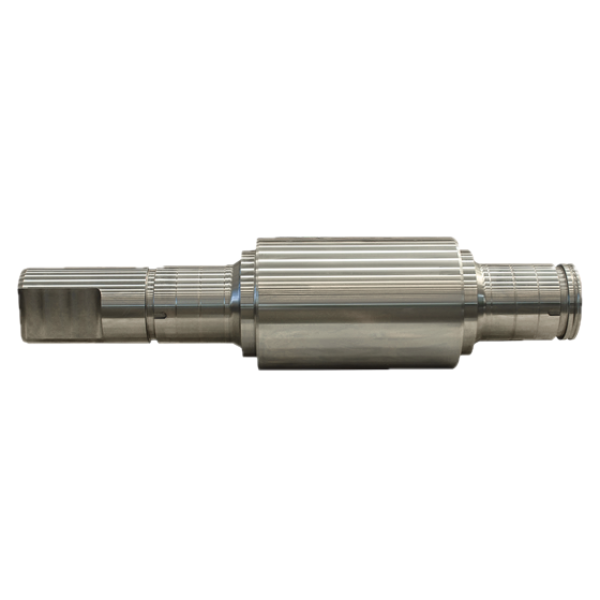
What Are Work Rolls?
Work rolls are the primary working components in rolling mills, directly in contact with the rolled material such as steel, aluminum, or non-ferrous metals. They are responsible for shaping, reducing thickness, and ensuring surface finish during the rolling process. Because of their crucial role, work rolls must withstand high pressures, wear, and thermal stress.
Materials Used for Work Rolls
Different rolling conditions require rolls made from different materials. Common options include:
- Cast Iron Work Rolls – Good wear resistance, often used in roughing mills.
- Cast Steel Work Rolls – High strength, suitable for heavy-duty rolling.
- Forged Steel Work Rolls – Excellent toughness and fatigue resistance, used in finishing mills.
- High-Speed Steel (HSS) Work Rolls – Superior wear and heat resistance, ideal for hot strip mills.
👉 You may also check our article on High Chromium Cast Iron Rolls to see a comparison.
Types of Work Rolls by Application
Work rolls are designed differently depending on the rolling mill type:
- Hot Rolling Work Rolls
- Used in roughing and finishing hot strip mills.
- Must resist thermal shock and surface wear.
- Cold Rolling Work Rolls
- Provide high surface finish and dimensional precision.
- Require high hardness and uniform microstructure.
- Plate Mill Work Rolls
- Designed for rolling thick plates.
- Must balance strength with wear resistance.
- Section Mill Work Rolls
- Used for rolling beams, bars, and structural sections.
Key Properties of Quality Work Rolls
To achieve stable rolling performance, work rolls should have:
- High hardness and wear resistance
- Good thermal fatigue resistance
- Adequate toughness and impact resistance
- Uniform microstructure for consistent performance
Comparison of Work Roll Materials
| Material | Hardness | Wear Resistance | Toughness | Heat Resistance | Typical Application |
|---|---|---|---|---|---|
| Cast Iron Work Rolls | Medium | Good | Low | Medium | Roughing mills, section mills |
| Cast Steel Work Rolls | Medium-High | Medium | Good | Medium | Heavy-duty hot rolling |
| Forged Steel Work Rolls | High | Medium-High | Excellent | Medium-High | Finishing hot/cold rolling mills |
| High-Speed Steel (HSS) Work Rolls | Very High | Excellent | Medium | Excellent | Hot strip finishing mills, plate mills |
Applications of Work Rolls
Work rolls are applied across industries such as:
- Steel plants – for hot and cold strip rolling.
- Aluminum rolling mills – requiring excellent surface finish.
- Automotive industry – ensuring precision sheet quality.
- Construction materials – rolling beams, bars, and rebar.
Conclusion
Work rolls are the heart of rolling mill performance. Choosing the right roll material and design can significantly improve product quality, reduce downtime, and optimize cost efficiency. As a professional supplier of industrial rolls, we provide customized work rolls for hot rolling mills, cold rolling mills, plate mills, and section mills.
👉 Interested in related products? Check out our pages on Forged Rolls and Cemented Carbide Rolls.




扫一扫加微信
